
A learning system that makes sense.
Written by Dr. Francisco Silva and Mireille Gradeff Silva and refined over three decades, the Silva Piano Method is a complete beginner-to-intermediate course: a book, recordings sung in solfege, weekly assignment charts and a clear path from the first lesson to real repertoire.
The result: in one year, beginners as young as 4½ play and read music at a level that normally takes three to five years. Adults go from never having touched a keyboard to their first Bach, Beethoven and Chopin, even a Chopin waltz, within the year.
Hannah, age 5, completes a solfege exercise. She sings the notes before she plays them. That is the whole idea, and no store-bought method teaches it.
Four things we do that most methods skip
Solfege
Notes are named do-re-mi-fa-sol-la-si, syllables that are easy to say and sing in rhythm. Students can study the score away from the piano, like reading a sentence aloud.
Ear training
Conducted at every lesson and practised at home with the recordings. Students use their most important musical asset, their hearing, from day one. Relative pitch is essential for every musician.
Technique
Scales, arpeggios, hand and finger position and proper posture from the very first lessons. With strong technique, a student can play just about anything.
Applied theory
Interval recognition, rhythm training and writing music at each lesson lead naturally to confident note reading. Written practice instructions keep students and parents organised.
Sing it first, and the fingers follow
Solfege is a way of naming notes so they can be read or sung fluently in rhythm, much like reading a verse of poetry. The syllables do, re, mi, fa, sol, la, si are easy to pronounce and flow in any order at any speed, which lets a student study music away from the instrument. Learning music away from the instrument has been advocated by many great musicians and pedagogues.
Most beginner piano methods never use speech or singing, because the letter names c-d-e-f-g-a-b are awkward to say and sing, alone or while playing. Try it with Mary Had a Little Lamb: sing e-d-c-d-e-e-e, then sing mi-re-do-re-mi-mi-mi. Even pre-schoolers find the second one easy.
- Solfege skills mean more efficient learning, stronger memorisation, better long-term recall and faster sight-reading.
- Nothing about it is new. These are exactly the disciplines the great composers and artists trained with, and top music schools still require solfege classes.
- The Silva Piano Method uses fixed do, so reading in solfege transfers easily to letter names later for analysis.
- Musicians trained with letter names see an immediate improvement in learning, memory, aural and sight-reading skills once they add solfege.
- It works for other instruments too.
Mary Had a Little Lamb, sung in solfege
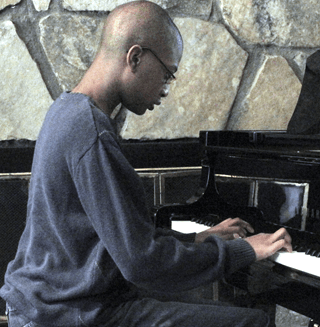
Oak M., who sings all the vocals on the Silva Piano Method Book 1 recording. Students sing along with every piece until they have it memorised, by singing alone, before they play it.
mi re do re mi mi mi · re re re · mi sol sol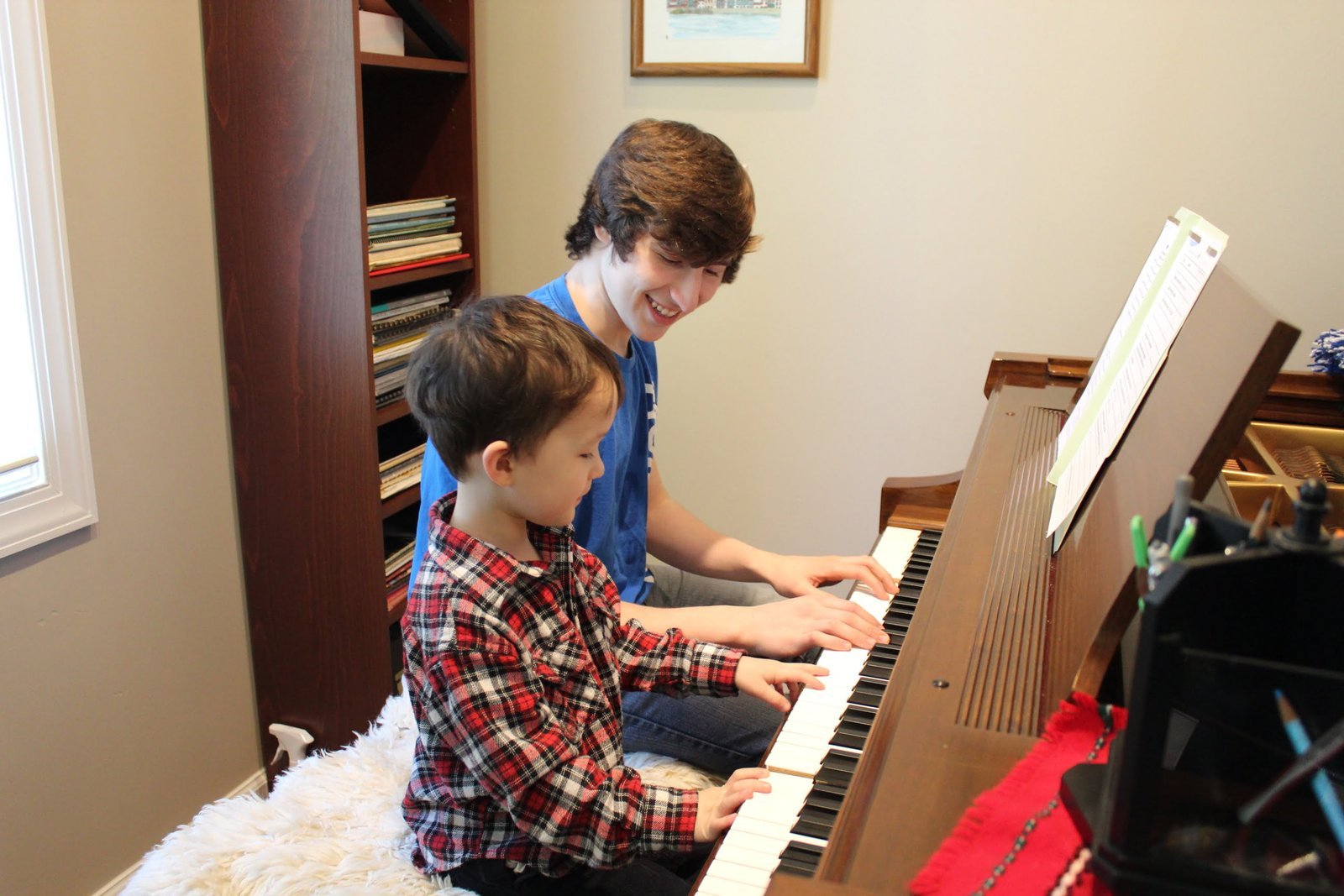
Goals, and what makes the difference
The learning process is made as clear as possible, with each step a natural continuation of the last. When it feels easy and students learn quickly, it is fun.
Goals for every student
- Discover how to learn and how to practise: achieve results, solve problems and build long-term memory.
- Shorten the beginner phase and reach intermediate and advanced repertoire as soon as possible.
- Develop aural skills by listening and singing in solfege with the Book 1 recordings.
- Learn to read music through applied theory at each lesson: intervals, rhythm and writing music.
- Build proper technique for strong, disciplined, dependable playing and expressive interpretation.
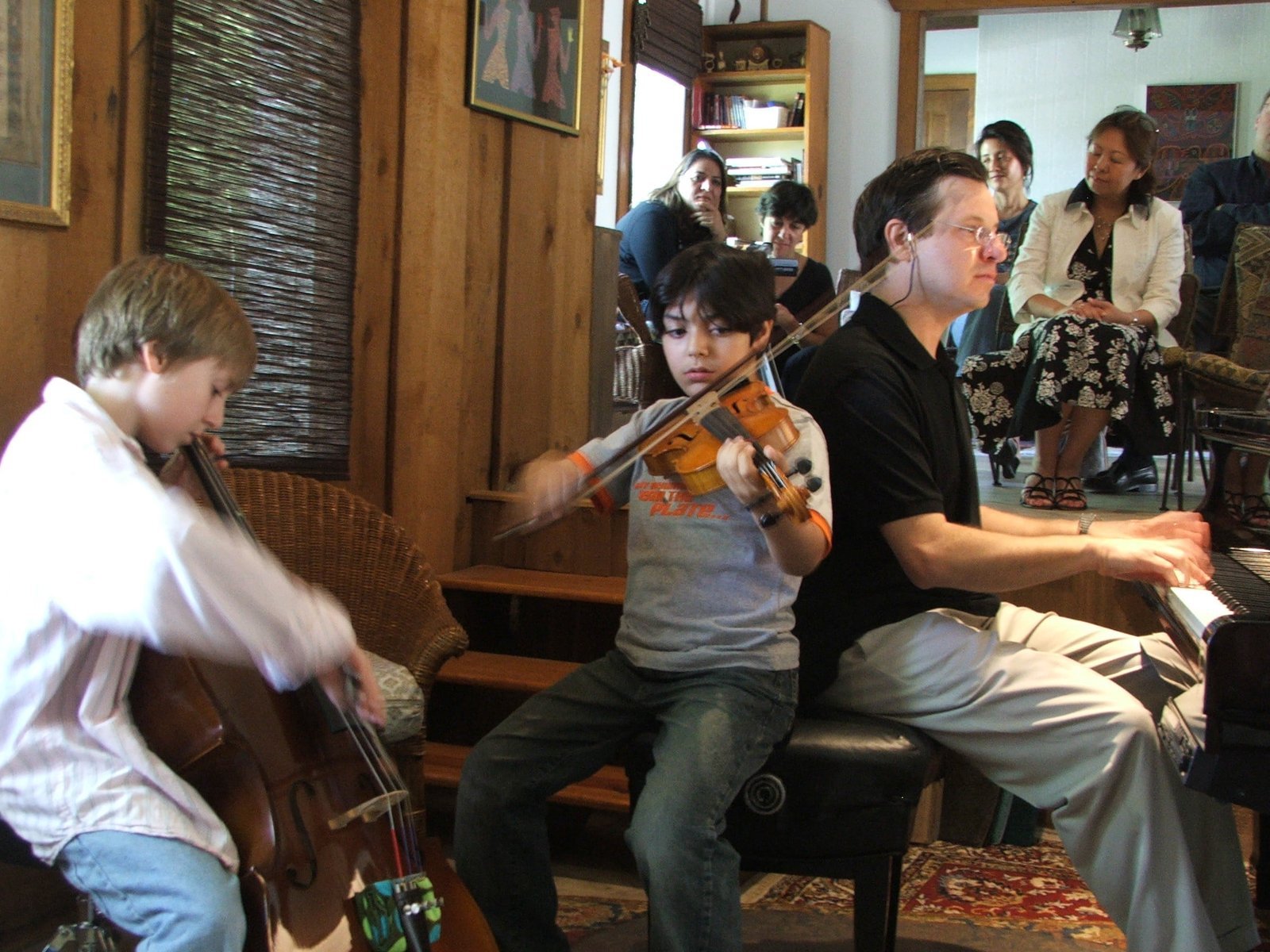
- Play for others at recitals held every term.
What makes it work
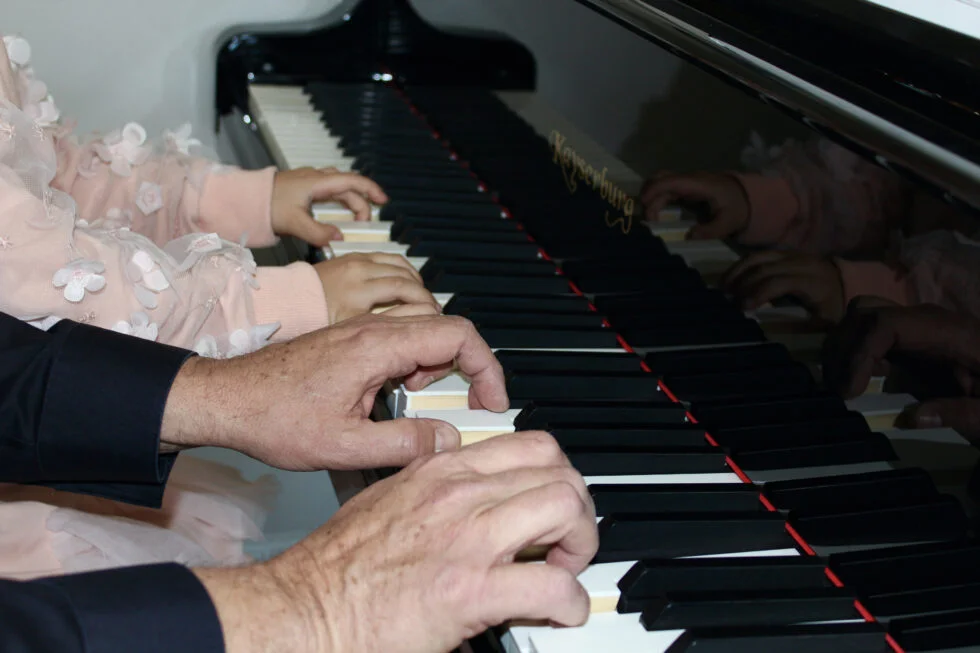
- Parents are part of the team. Parents and good teachers working together, with the right materials, a supportive environment and a consistent work ethic, are the catalyst for success. We encourage parents to sit in on lessons.
- Pieces are cycled in review. Previously learned pieces come back systematically, which strengthens long-term memory and lets students explore finer technical and musical nuances.
- Practice is organised. Detailed weekly instructions help students and parents plan a routine, meet the week's goals and account for time at the piano. The record shows the rate of progress and gives feedback.
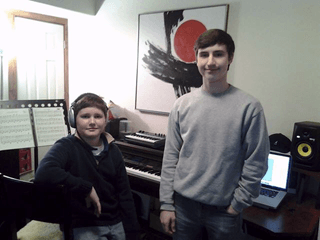 Oak and Ariel record Book 1
One book, one year, twenty real pieces
- A progress chart is built into the front cover, listing the skills for each piece, so students always see what they have mastered and what comes next.
- Four sections, all covered every lesson: applied theory, pieces, scales and rhythm.
- After the 20th piece the student is no longer a beginner and is already reading solidly, continuing with Beyer and Méthode Rose, then Burgmüller etudes, sonatinas and Bach minuets, preludes and two-part inventions.
- Designed to be completed within a year. The pace depends on practice habits, maturity, interest and parental involvement.
- A recording of every piece, most sung in solfege, then with chords, then exactly as written. Being able to sing the notes before playing them produces astounding acceleration.
- Students keep every piece they learn, so they can play the entire book when they finish.
Is it talent, or is it practice?
In a 2001 New Yorker essay, Malcolm Gladwell describes a British study of 256 young musicians that set out to measure musical talent. The researchers found that the single best predictor of how well a student played was simply the number of hours practised. The top performers practised around eight times more than those at the bottom, and almost all of them had parents who were deeply involved: parents who sat in on lessons, took notes and followed up at home.
That is exactly how the Silva Piano Method is built: organised practice, parents on the team, and a system that makes practice productive. We ask every family to read it. It explains, better than we can, why our students move so fast.
Read "Examined Life" in The New Yorker →“Ability cannot be separated from effort.”
Malcolm Gladwell, Examined Life, The New Yorker, December 2001See the method in action.
Bring your child, or yourself, for a free trial lesson. Students with prior instruction are welcome to play something they know.
Book a Free Trial Lessonor call 770-565-7177